
In my Father’s house, there are many dwelling placesSermon for May 2, 2026

Sermon for May 2, 2026 @ 6 PM
It is Day 19 since Sinlaku hit us. In the midst of our clearing and cleaning up, laundering, repairing, and rebuilding, we hear the good news from John 14 where Jesus said to his disciples: “Do not let your hearts be troubled. Believe in God, believe also in me. In my Father’s house, there are many dwelling places.” This passage is familiar to many of us. We often hear this at funerals.
These words are part of Jesus’ farewell address to his disciples on the night of his last supper with them. He was about to be arrested, and besides saying goodbye to his disciples, he was preparing and comforting, telling them “not to let your hearts be troubled” and inviting them to put their trust in him- “you believe in God, believe also in me.”
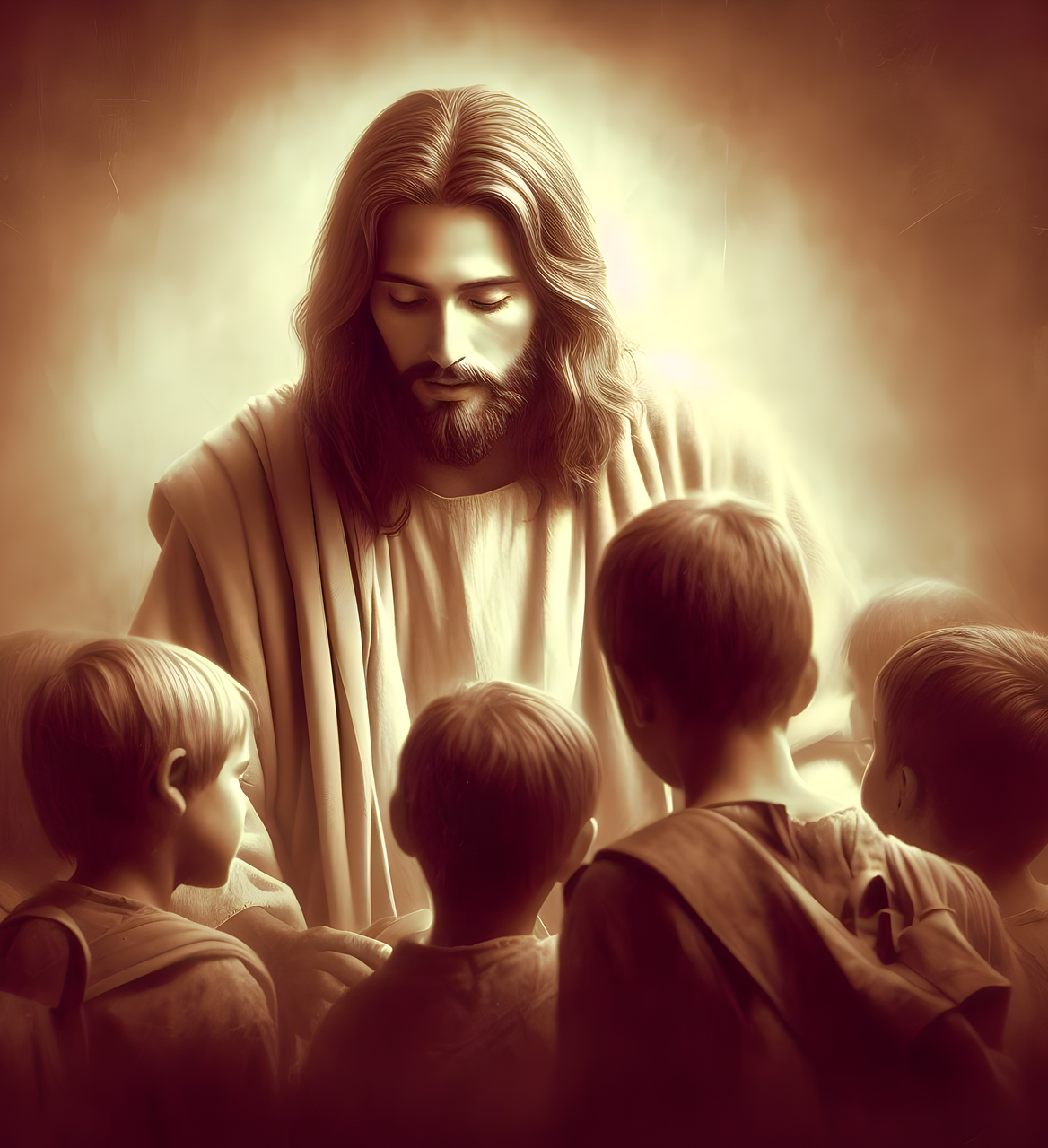
In our own context of picking up the pieces from the devastation of Typhoon Sinlaku, these words are like fresh water to our thirsting, parched, and weary souls. The many dwelling places in God’s house conjure up an image of inclusive and expansive welcome, assuring us that we have a place in God’s space. But because we often hear these words during funerals, the default for many of us is to hear these as a promise for the future after we die. However, our place in God’s life is not only for the future, but more importantly, even in the here and now, as we put our trust in Jesus, who is the way, the truth, and the life. Believing and putting our trust in Jesus is a journey of discovering and learning Jesus’ way, truth, and life.
Note that Jesus plainly tells his disciples that he is “the way, the truth, and the life.” He did not say, Peter or John or James, is the way, the truth, and the life. He also did not say that the religious leader, the bishop, the priest, or the pastor is the way, the truth, and the life. And Jesus did not say the Jewish faith or the Christian faith, or the Baptist Church, or the Roman Catholic Church, or the Episcopal Church, or any other church, for that matter, is the way, the truth, and the life. Instead, he said, “I am the way, the truth, and the life.” If we believe in Jesus as the way, the truth, and the life, we can find unity with others who are not part of the group we belong to or the faith group we are a part of.
Our reading from the First Letter of Peter 2:2-10 echoes this unity, calling us to “grow into salvation” by being joined in Christ and with one another.
Peter said, as members of Christ, we acquire a new citizenship and advance from ’no people, to God’s people,’ from ’people who did not receive mercy, to people who receive mercy.’ This new citizenship as members of God’s people is without walls and without borders. This means that the categories or labels that we slap on each other, which tend to divide us, labels that are based on ethnicity, race, religion, gender, and economic or social status, do not count. What counts is our openness and willingness to be joined in Christ and one another.
This is what we at St. Paul’s Episcopal Church are trying to live as we respond to the needs of our neighbors affected by Typhoon Sinlaku. With the financial support from the Episcopal Churches in Guam, Hawaii, and the US mainland, the Episcopal Relief and Development, and its partner non-profit organization- Community Organized Relief Effort (CORE), we give relief to our neighbors in need without asking their religion, ethnic background, or sexual orientation.
Finally, as we rebuild and rise from the ashes of the devastation caused by typhoon Sinlaku, let us not forget the hard lessons learned: that many of the things we have worked so hard for- houses, cars, clothes, appliances, and other material things- can disappear in an instant. But our relationship with God and our neighbors is an important and reliable safety net that outlasts other material investments.
Amen.

